Hetian Jade
Introduction
Hetian Jade, also known as "Hotan Jade," is a type of nephrite jade that is primarily found in the Hetian region of the Xinjiang Uygur autonomous region in China. Renowned for its high quality and aesthetic appeal, Hetian Jade is celebrated for its smooth texture, dense structure, and lustrous sheen. The jade has long held cultural significance in China, serving as a symbol of purity, protection, and beauty. It is often used in the creation of intricate jewelry and decorative pieces, embodying both artistic craftsmanship and cultural heritage.
Historical Significance
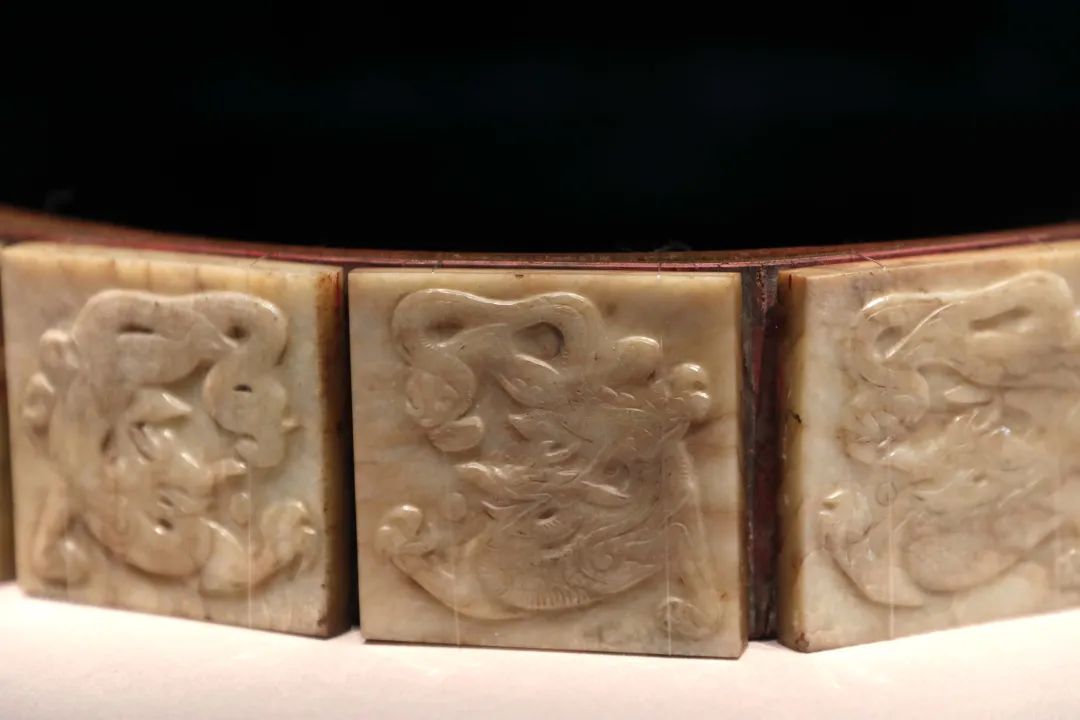
Hetian Jade has been cherished in China for thousands of years, with its use dating back to the Neolithic period. It gained prominence during the Western Han Dynasty (206 BC-AD 24) and became a significant part of Chinese culture. The jade was especially valued during the Tang (618-907) and Ming (1368-1644) dynasties, when it was used to create imperial artifacts, jewelry, and religious items. A notable historical piece is a 10th-century belt adorned with eight ornate Hetian jade panels, unearthed from the tomb of Wang Jian, the founding emperor of the Former Shu Dynasty. This piece resides in the Sichuan Museum, showcasing dragons in relief motifs, symbolizing strength and beauty.
Cultural Integration
The significance of Hetian Jade transcends its material value, integrating deeply into cultural expressions and fashion. For example, the Migration series by Longqingxiang, a notable fashion brand, incorporates Hetian Jade within its designs. This series reflects Chinese cultural elements and international fashion trends, using Hetian Jade alongside other "four precious jades" to symbolize national pride and cultural identity.








